
Non-Surgical Periodontal Services in Bloomington

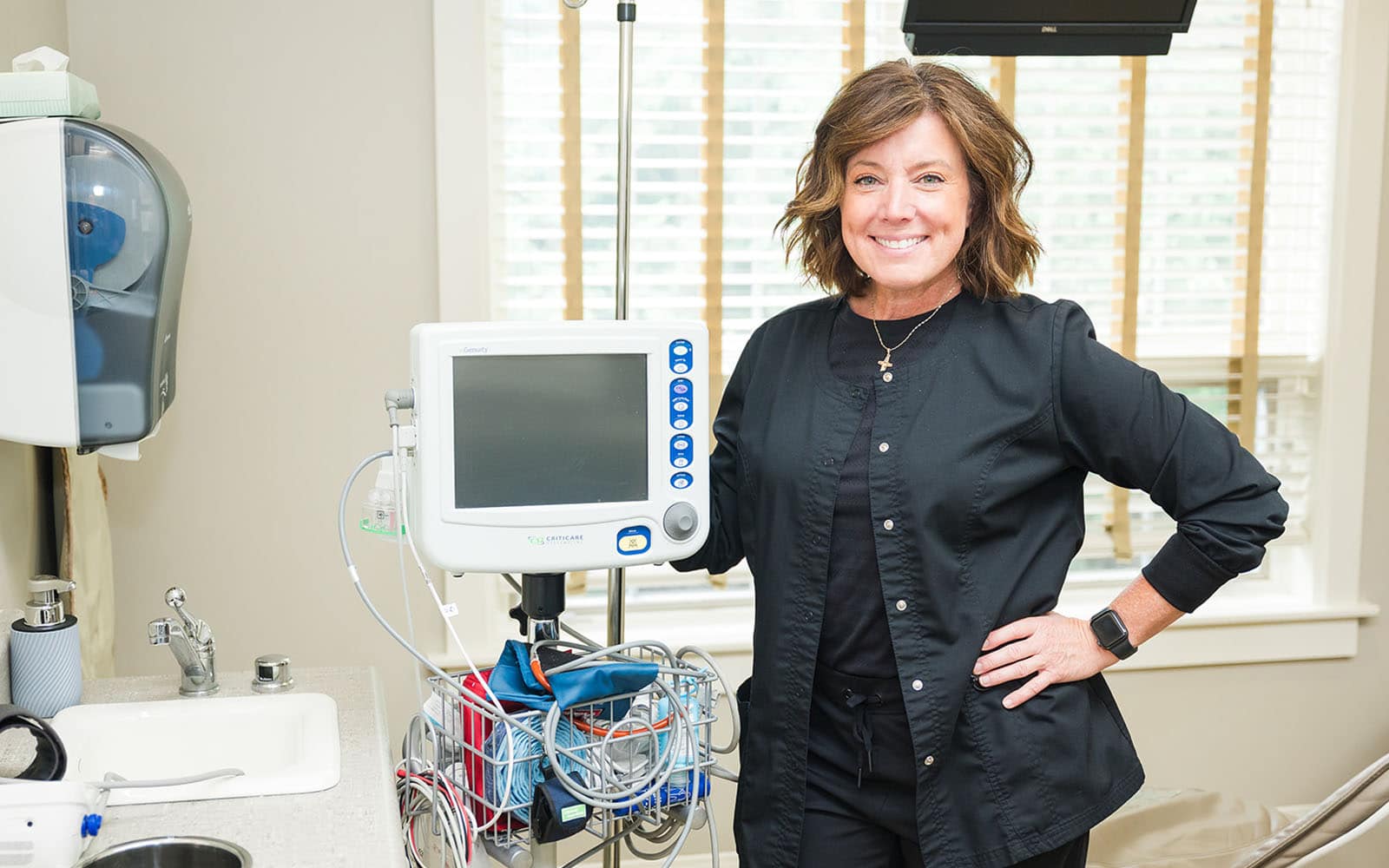
Staff exam 2 0017 ls

PerioImplant Innovations of Bloomington provides non-surgical periodontal services in Bloomington, IL. Call

to learn more and schedule an appointment.

What Is Non-Surgical Periodontal Care?

Periodontal (gum) disease can be treated without surgery in many cases. Non-surgical periodontal care refers to procedures used to treat and prevent gum disease. The goal is to stop gum disease from progressing to the point where damage occurs that would require surgical treatment.

Benefits of Non-Surgical Periodontal Care

  • Get relief from gum disease symptoms. Non-surgical periodontal care can provide relief of the symptoms of gum disease, such as sore and bleeding gums.
  • Prevent the need for surgical care. When non-surgical care is provided in time, it can prevent damage to the oral tissues that would require surgical treatment.
  • Minimally invasive. Non-surgical periodontal care is minimally invasive for greater comfort and faster recovery.
  • Ongoing support. Periodontal maintenance is a non-surgical treatment that keeps gum disease under control over the long term.
Cropped logo icon.png

Why Choose PerioImplant Innovations of Bloomington?

We begin periodontal treatment with a conservative approach that is less invasive. Only if non-surgical periodontal treatment is ineffective will we recommend surgical procedures. Our goal is to restore and maintain your dental support structures in order to save your natural teeth and allow them to remain in place for the rest of your life. We take the time to educate our patients about oral hygiene so that you can take the necessary steps to improve your own oral health.

Procedures Offered

  • Antimicrobial Therapy. The purpose of antimicrobial therapy is to reduce the amount of bacteria in your mouth that cause gum disease. This may consist of antiseptic mouthwash and/or antibiotics.
  • Scaling and Root Planing. Scaling is the process of removing plaque and calculus (hardened plaque) from the roots of the teeth under the gums. Root planing is the process of smoothing the surface of the tooth roots to encourage reattachment of the gum tissue.
  • Periodontal Maintenance. To properly manage gum disease, deep cleaning of the teeth on a regular schedule over the course of a few months to a year or more is highly effective.
  • Guided Biofilm Therapy (GBT). This is a multi-step method for managing oral bacteria using state of the art technology. It includes a staining process that highlights areas where plaque clings to the teeth so patients know where to focus additional attention during their dental hygiene routine.

Frequently Asked Questions About Non-Surgical Periodontal Care

How long does scaling and root planing take?

The time it takes to thoroughly clean your teeth depends on the amount of plaque and calculus that have formed on your teeth. It can take a few hours in some cases. You may even need two separate appointments to cover one half of your mouth and then the other. But after the first cleaning, the following cleanings are typically shorter.

Does non-surgical periodontal care require anesthesia?

Some non-surgical periodontal procedures may require anesthesia and others may not. It depends on the invasiveness and the personal preference of the patient whether local anesthesia is used.

How often do I need periodontal maintenance?

Periodontal maintenance is delivered on a customized schedule. You may need deep cleanings on a monthly basis or a quarterly basis in addition to your regular dental cleanings.The schedule is determined by the rate at which you develop plaque and calculus on your teeth.

Why do I need to see a periodontist for non-surgical periodontal care?

A periodontist specializes in the treatment of gum disease, making them uniquely qualified to provide all types of periodontal care. Even if your situation is not severe enough to require surgery, non-surgical periodontal procedures are best performed by a trained periodontist.

What can I do to prevent gum disease?

To prevent gum disease, brush your teeth twice a day for at least 2 minutes and floss once a day. When you brush, mentally divide your mouth into 4 sections and spend 30 seconds on each section, taking care to reach all sides of each tooth and brush along the gumline. Consider purchasing an electric toothbrush for more effective plaque removal.

I take good care of my teeth, but still have gum disease. What else can I do?

Some people are at an increased risk of gum disease due to other factors, such as health conditions like diabetes. A diet that is high in sugar also increases your risk. We can assess your oral health and offer tips and suggestions to help improve your oral health. We may recommend periodontal maintenance on a regular schedule.

Call PerioImplant Innovations of Bloomington for an Appointment Today

To learn more, call

or contact us today to schedule an appointment.

Contact our office today to schedule your appointment!

PerioImplant Innovations of Bloomington

ADDRESS

105 North Williamsburg Drive
Bloomington, 
IL 
61704

PHONE

Fax: 

309-663-2854
Cropped logo icon 1.png
location
PerioImplant Innovations of Bloomington
105 North Williamsburg Drive
Bloomington,
IL
61704
309-663-4577
LANGUAGE
HOURS

Monday | 

8:00am - 4:30pm

Tuesday | 

8:00am - 4:30pm

Wednesday | 

8:00am - 4:30pm

Thursday | 

8:00am - 4:30pm

Friday | 

Closed

Saturday | 

Closed

Sunday | 

Closed
SOCIAL
Accessibility
 
DESIGN AND CONTENT ©
2013-
2025
BY
DENTALFONE